VAGAMON NEWS
Vagamon’s Fragile Grasslands Face Growing Pressure as Tourism Expands
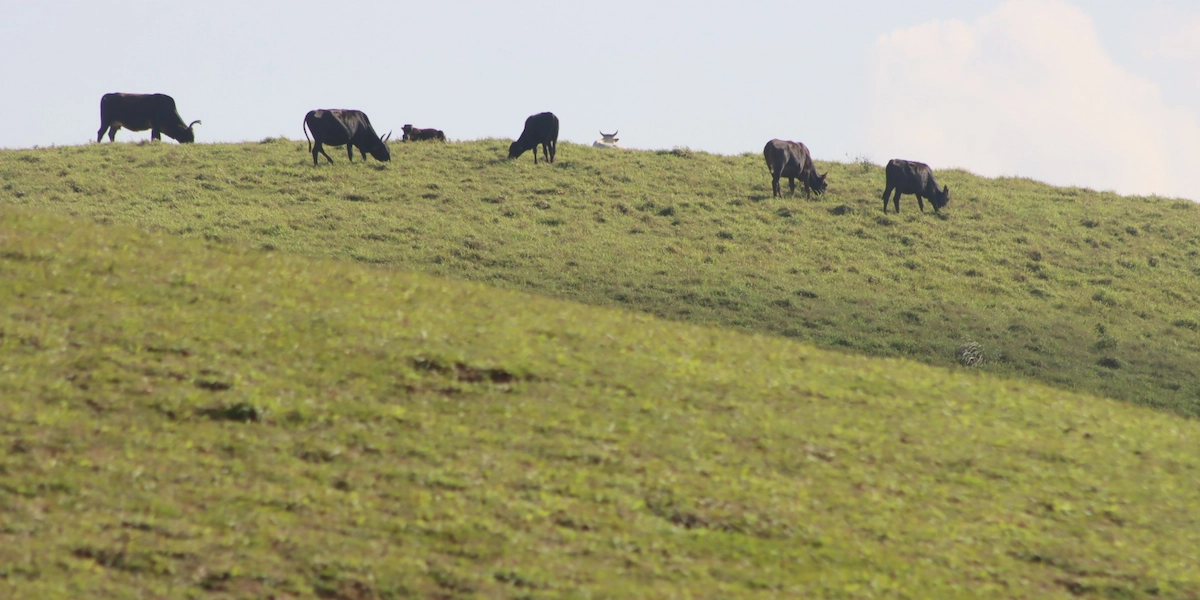
VAGAMON, KERALA: Vagamon’s rolling grasslands, one of the defining features of this popular hill destination in Idukki, are facing increasing pressure from construction, tourism-related activities and changes in land use, highlighting the need for a more sustainable approach to development in the region.
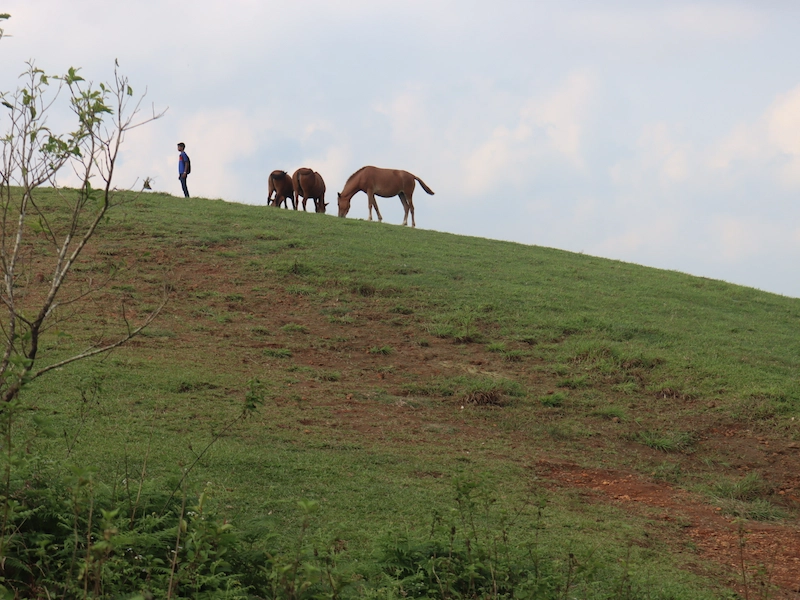
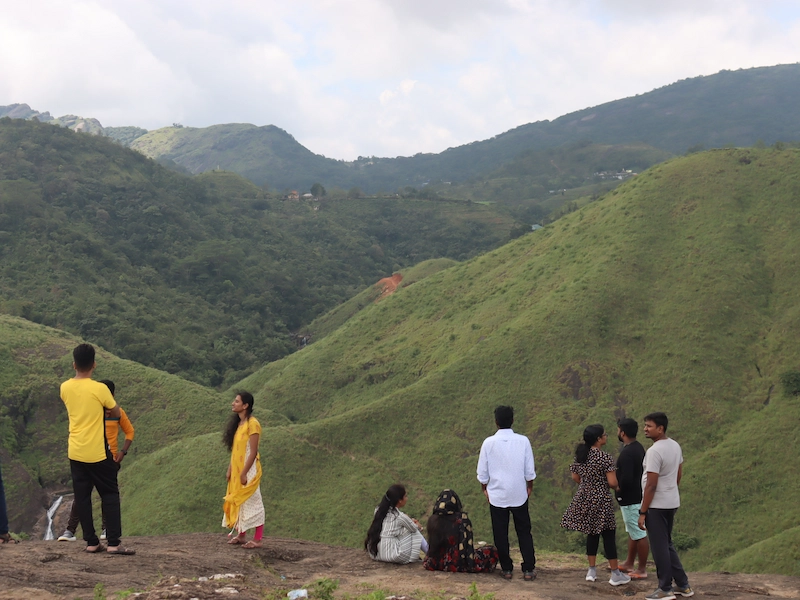
Known for its expansive green meadows, mist-covered hills, pine forests and panoramic viewpoints, Vagamon has grown into one of Kerala’s most popular high-range tourism destinations. The increasing flow of visitors has also brought greater demand for accommodation, roads, adventure activities and other tourism infrastructure.
Environmental concerns have emerged alongside this growth, particularly over the ecological sensitivity of Vagamon’s high-altitude grasslands.
Grasslands are more than scenic landscapes
Vagamon’s grass-covered hills are often viewed primarily as attractive landscapes for visitors. Ecologically, however, high-elevation grasslands form an important part of the Western Ghats landscape.
These open ecosystems support specialised plants, insects, birds and other wildlife, while also playing a role in regulating water and maintaining the ecological balance of mountain environments.
Changes to the natural terrain, including excessive earthwork, vegetation removal and unplanned construction, can gradually alter these ecosystems.
Tourism growth brings new challenges
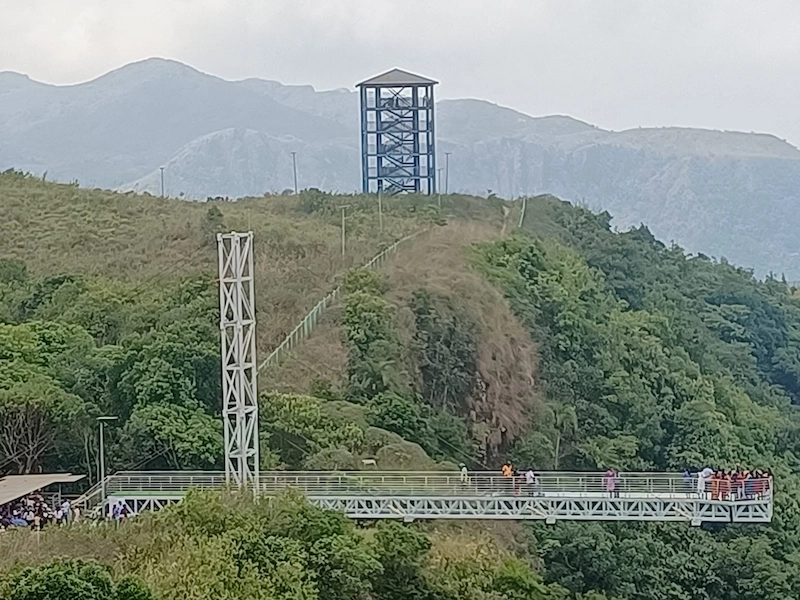
The popularity of Vagamon has resulted in a steady expansion of tourism facilities around major visitor areas.
Hotels, resorts, homestays, restaurants and adventure tourism facilities provide employment and contribute to the local economy. At the same time, increasing development requires careful planning to ensure that infrastructure does not come at the expense of the landscape that attracts visitors in the first place.
Unregulated construction, hill cutting, increased traffic and waste generation can place additional stress on fragile mountain environments.
Environmentalists and conservation advocates have increasingly called for tourism development in ecologically sensitive areas to follow carrying-capacity principles and stronger environmental safeguards.
Finding the balance between tourism and conservation
The challenge for Vagamon is not necessarily to restrict tourism, but to ensure that future tourism growth remains compatible with the area's ecological characteristics.
Better waste-management systems, controlled construction, protection of natural drainage channels, responsible adventure tourism and improved visitor management could help reduce pressure on the landscape.
Tourism projects that incorporate local communities and use low-impact infrastructure could also create economic opportunities while preserving Vagamon's natural character.
Sustainable tourism could strengthen Vagamon's appeal
Vagamon's natural environment is its biggest tourism asset. The meadows, hills, forests, viewpoints and streams are what attract visitors from Kerala and other parts of India.
Protecting these resources is therefore not only an environmental responsibility but also an economic necessity for the destination.
A well-planned approach could position Vagamon as a stronger sustainable and nature-based tourism destination, where development, local livelihoods and conservation work together.
As visitor numbers continue to grow, the future of Vagamon's tourism industry may ultimately depend on how effectively the destination protects the landscapes that made it famous.